The Sacred Archive
Art alongside the essays.
Each essay is paired with a public-domain work selected to open another path into its questions. The collection grows with the journal.
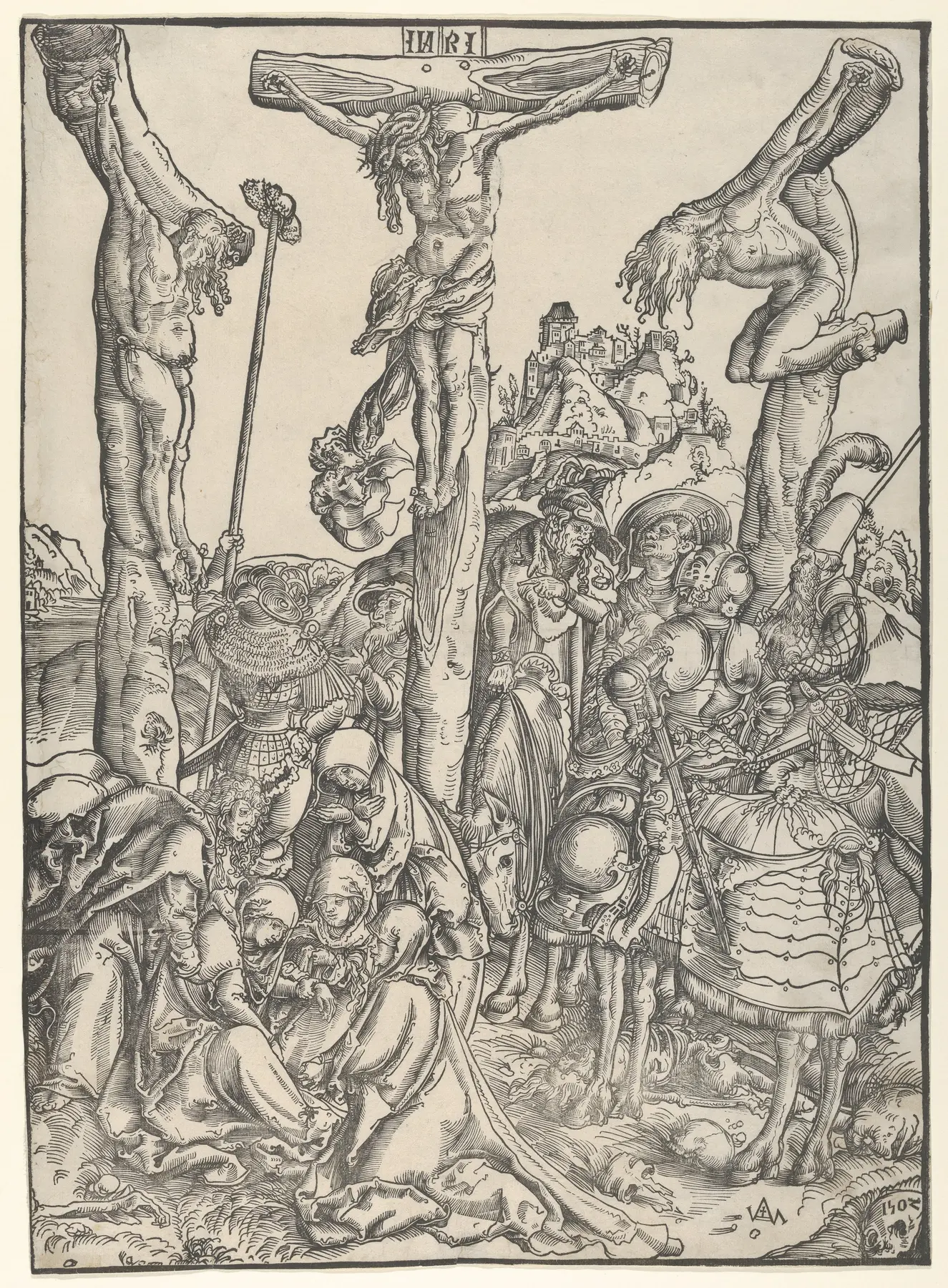
Sacred Archive 01
The Crucifixion
Lucas Cranach the Elder, 1502
Woodcut
The Metropolitan Museum of Art
Public domain. Open Access image released by The Met under CC0 1.0.
Cranach places the promise of grace beneath the cross itself, where salvation arrives as an accomplished event beyond every religious technique.
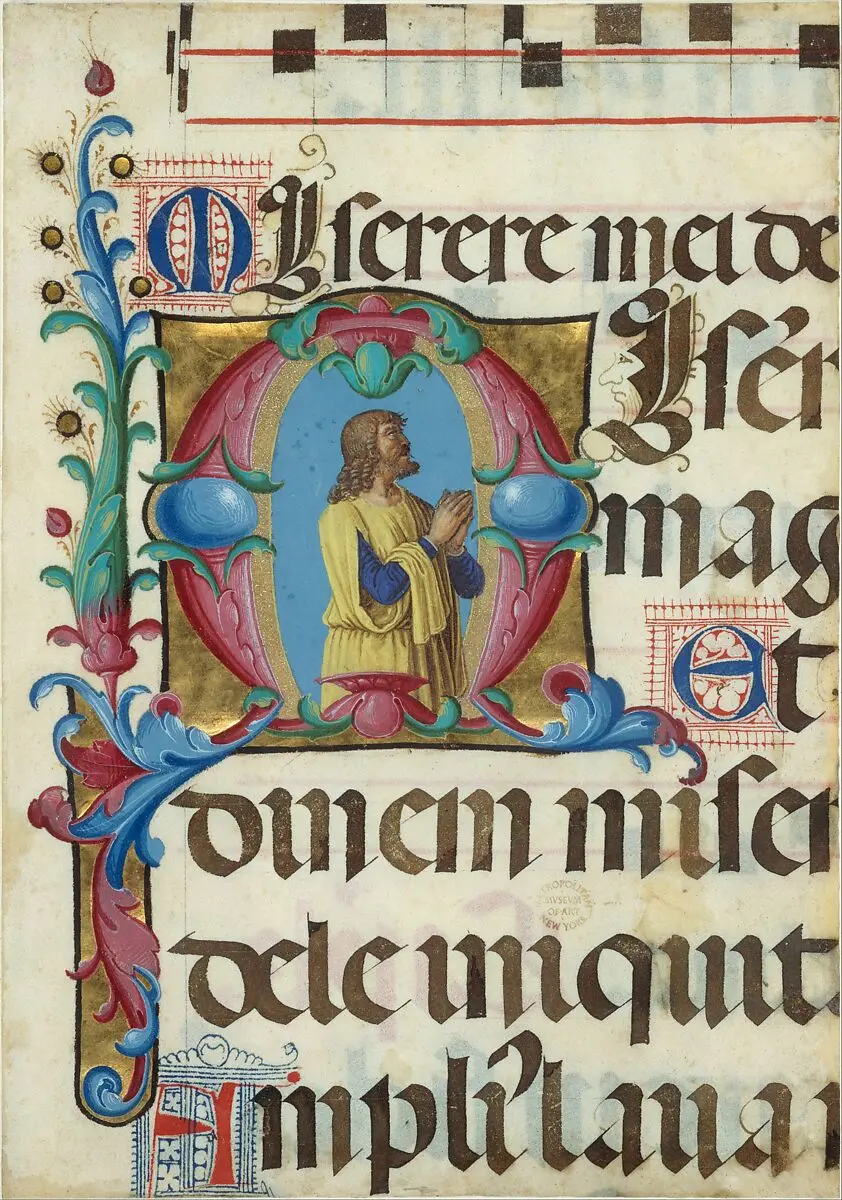
Sacred Archive 02
Manuscript Illumination with David in Prayer in an Initial M, from a Psalter
Girolamo dai Libri, 1501–2
Tempera, ink, and gold on parchment
The Metropolitan Museum of Art
Public domain. Open Access image released by The Met under CC0 1.0.
David appears to pray from words received on the page, giving visible form to the editor’s need for a language of prayer that does not depend upon private strength or invention.
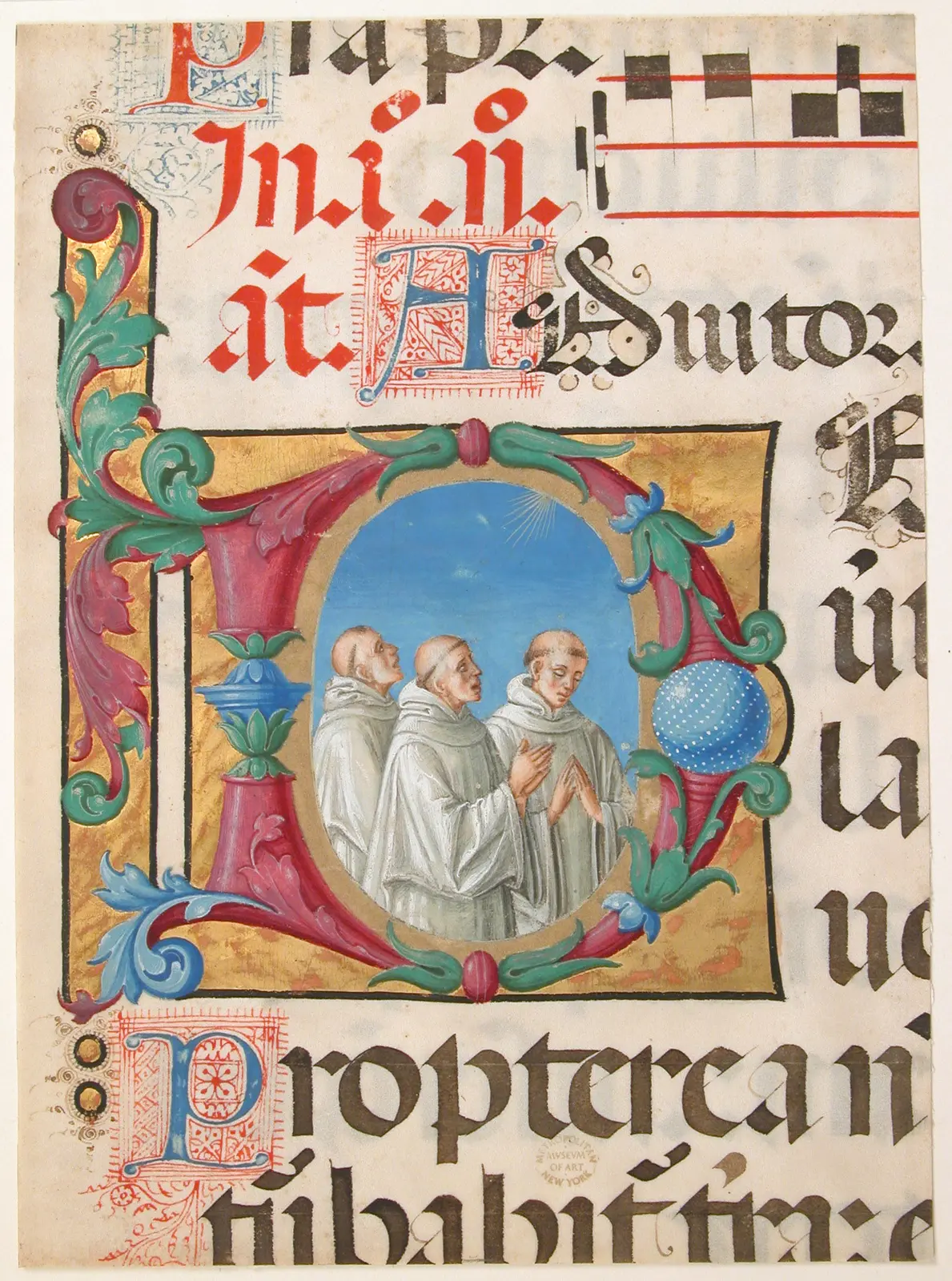
Sacred Archive 03
Manuscript Illumination with Singing Monks in an Initial D, from a Psalter
Girolamo dai Libri, 1501–2
Tempera, ink, and gold on parchment
The Metropolitan Museum of Art
Public domain. Open Access image released by The Met under CC0 1.0.
The singers receive their words together. Prayer appears here as a shared discipline of attention, memory, and praise.
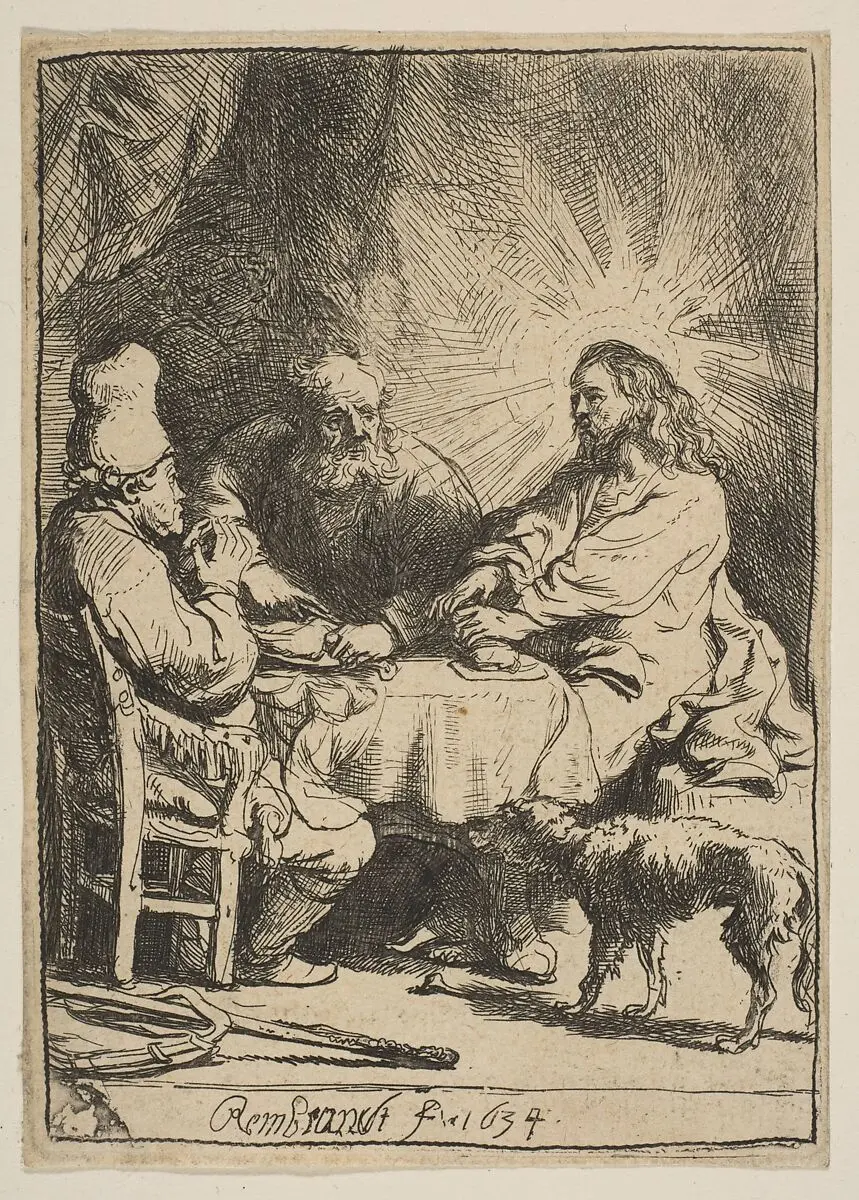
Sacred Archive 04
Christ at Emmaus: The Smaller Plate
Rembrandt van Rijn, 1634
Etching with touches of drypoint
The Metropolitan Museum of Art
Public domain. Open Access image released by The Met under CC0 1.0.
Rembrandt stages revelation in a crowded, ordinary room. The risen Christ had traveled as an unrecognized stranger and becomes known in the breaking of bread, where hidden presence gives way to recognition without becoming spectacle.
Sacred Archive 05
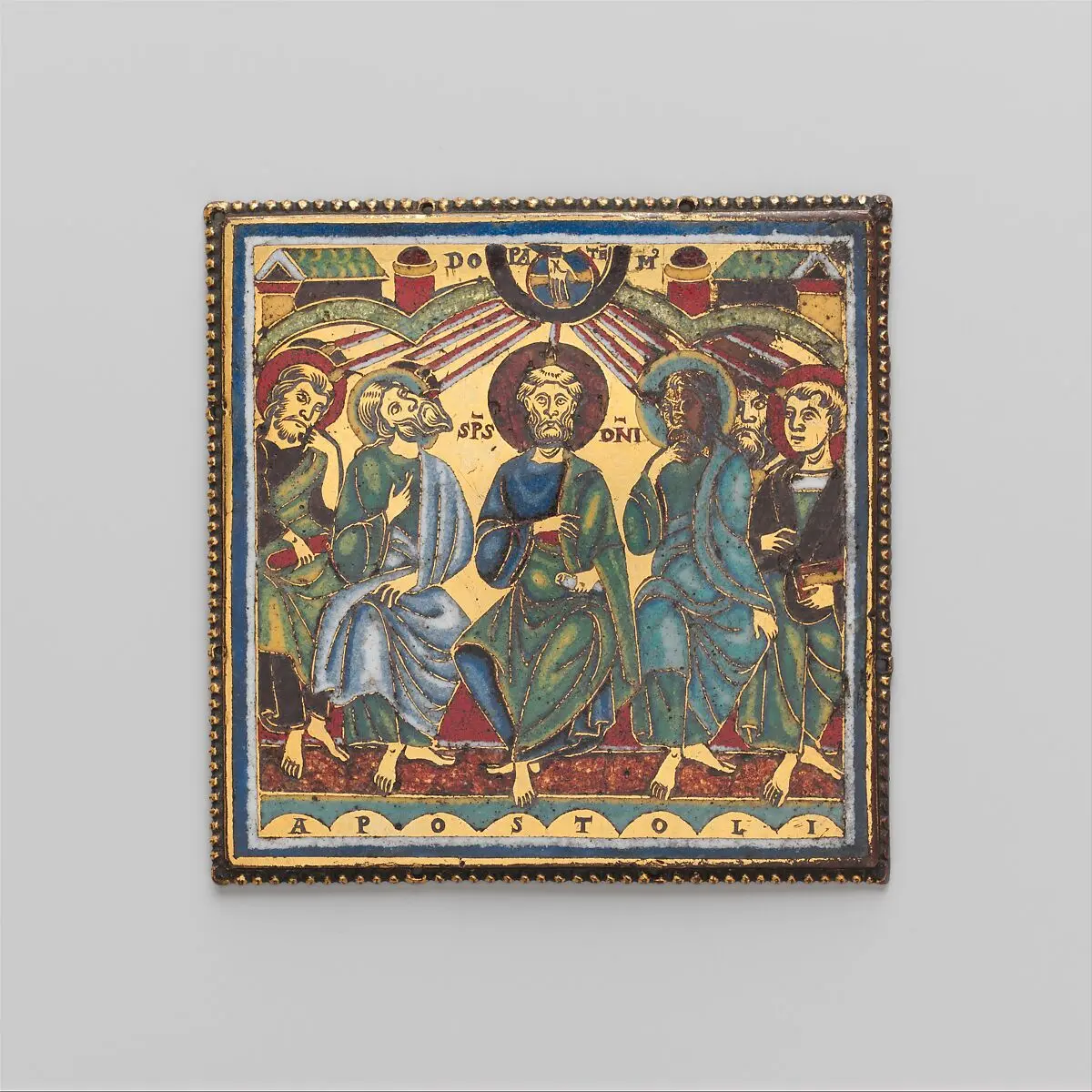
Plaque with the Pentecost
South Netherlandish, ca. 1150–75
Champlevé enamel and gilded copper
The Cloisters Collection, The Metropolitan Museum of Art
Public domain. Open Access image released by The Met under CC0 1.0.
The Spirit descends upon distinct persons gathered into one apostolic body. The plaque gives visible form to holiness received personally and cultivated in communion.
Sacred Archive 06
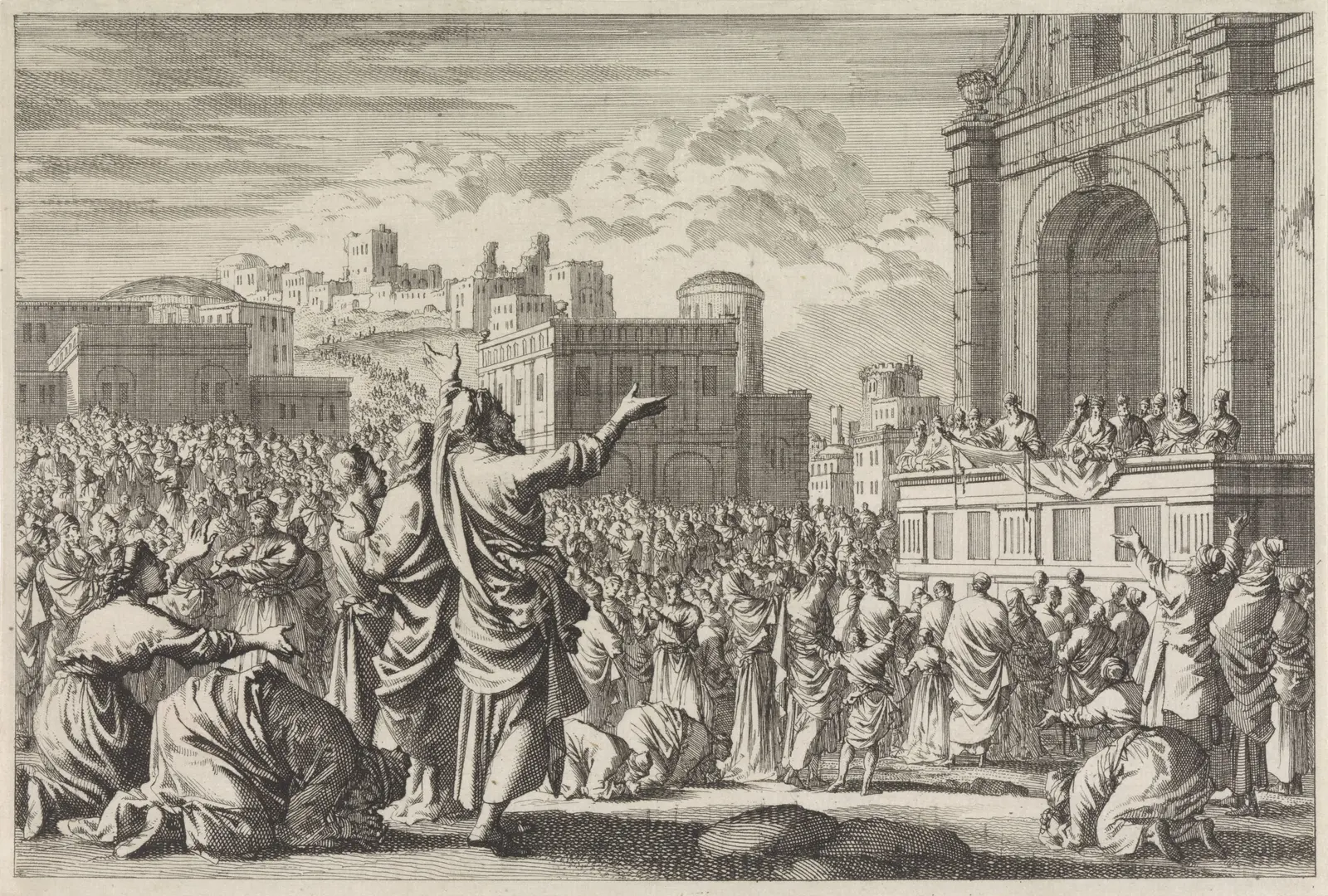
Ezra Reads the Law to the People
Anonymous printmaker, after Jan Luyken, 1700
Etching, proof on paper
Rijksmuseum, Amsterdam
Public domain. Rijksmuseum image released under CC0 1.0.
Ezra reads above an assembled people near the Water Gate. The law is heard, interpreted, answered with worship and tears, and carried into a feast shared with those who have nothing prepared. The print gives Scripture a public and communal setting while the open book remains above every hearer.
Sacred Archive 07
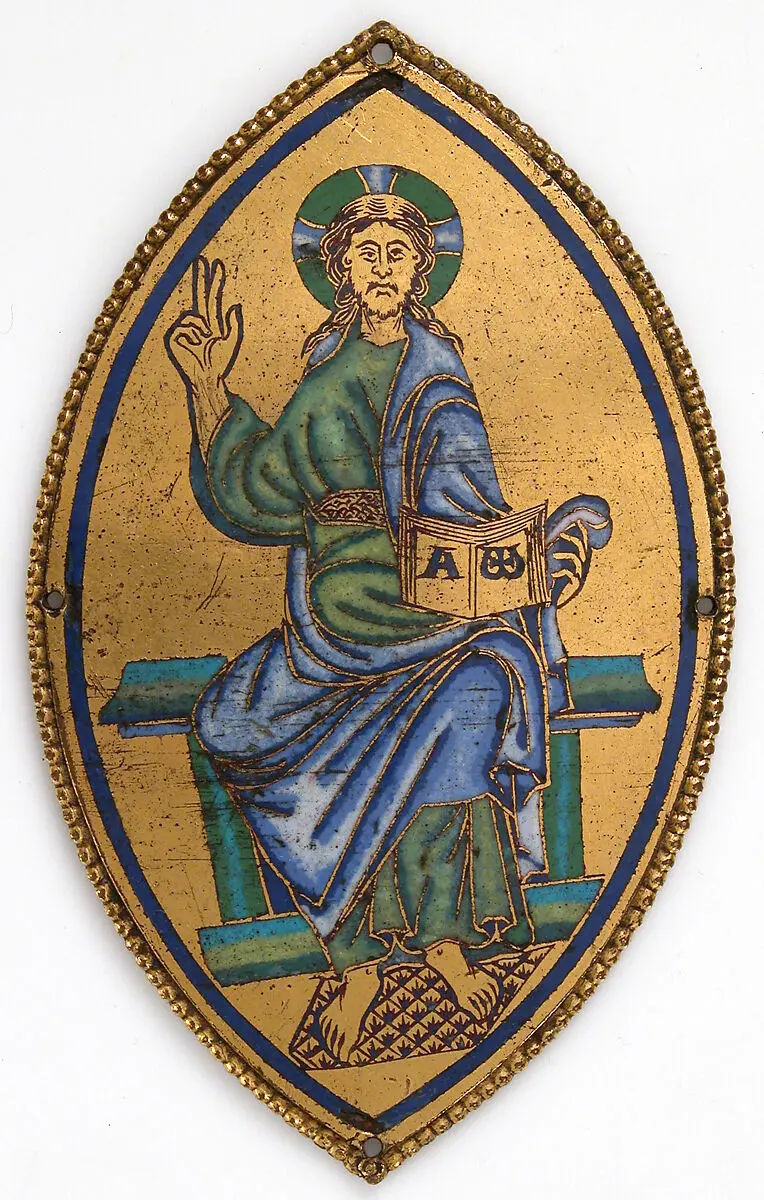
Plaque with Christ in Majesty
South Netherlandish, ca. 1160–70
Champlevé enamel on gilded copper
The Metropolitan Museum of Art
Public domain. Open Access image released by The Met under CC0 1.0.
Christ appears enthroned, blessing, and holding the book within a small plaque made for the repeated life of worship. The image places changing seasons beneath a reign already confessed and still awaited.
Sacred Archive 08
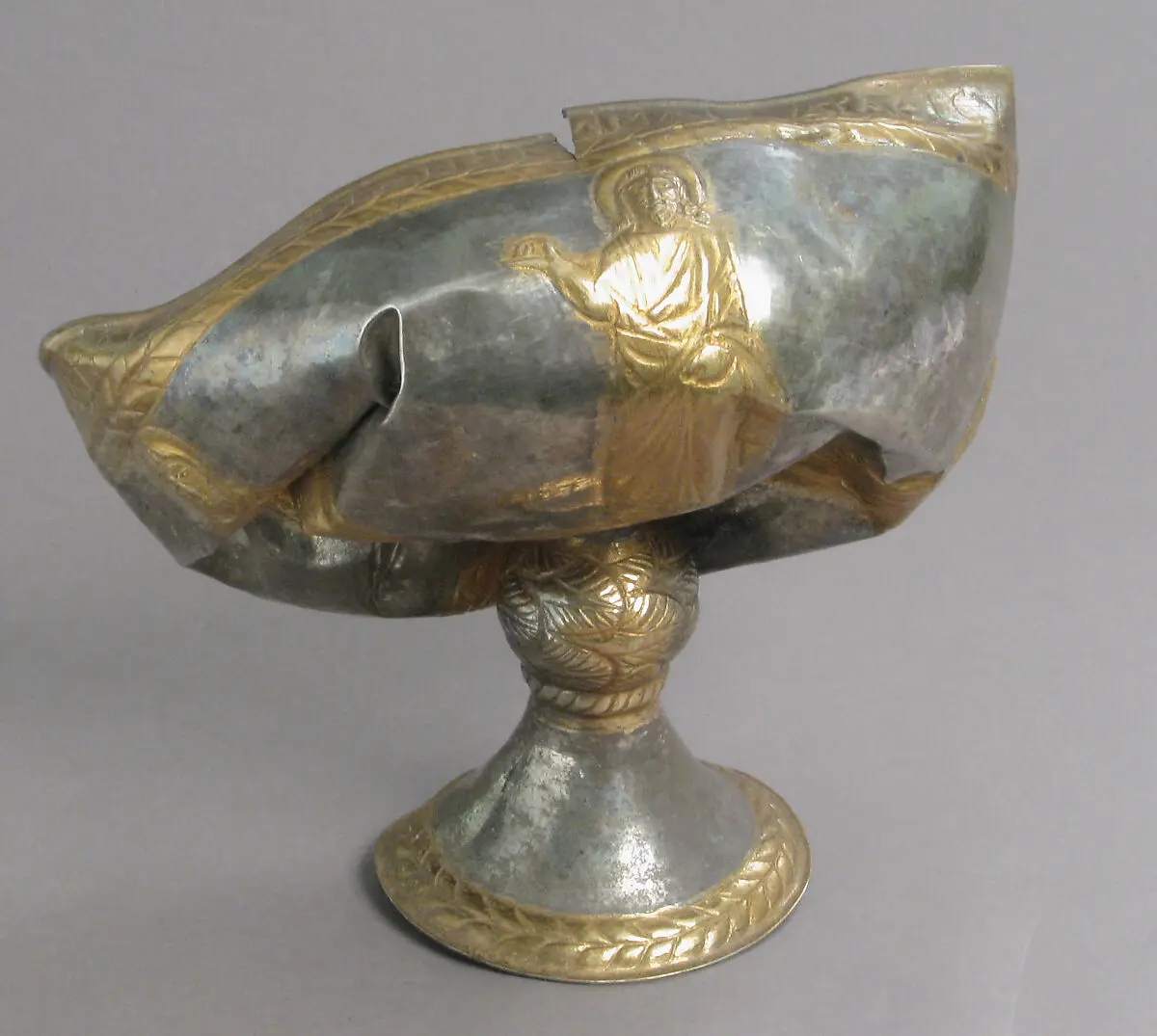
The Attarouthi Treasure - Chalice
Byzantine, 500–650
Silver and gilded silver
The Metropolitan Museum of Art
Public domain. Open Access image released by The Met under CC0 1.0.
This damaged chalice was made for the Divine Liturgy in Attarouthi, Syria, and was probably buried during military upheaval. Its beauty and broken rim hold sacramental promise within material vulnerability rather than above it.
Sacred Archive 09
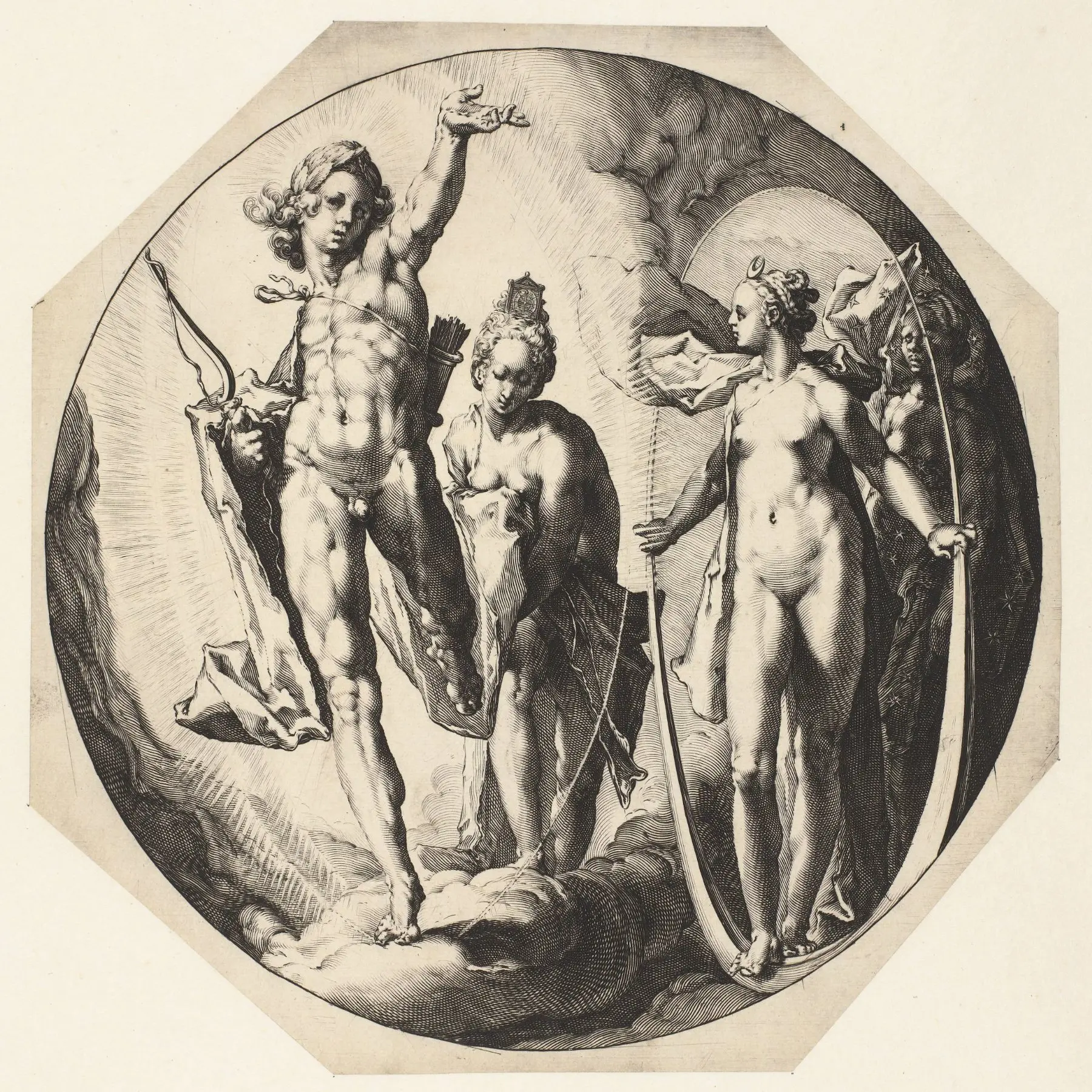
Fourth Day of Creation: Creation of the Sun, Moon, and Stars
Jan Harmensz. Muller, after Hendrick Goltzius, 1589
Engraving on paper
Rijksmuseum
Public domain.
The museum identifies Apollo, Diana, Time, and a Black woman personifying the stars within Muller's depiction of creation. The journal reads the conjunction of biblical and classical imagery as an invitation to examine how created order receives religious interpretation.