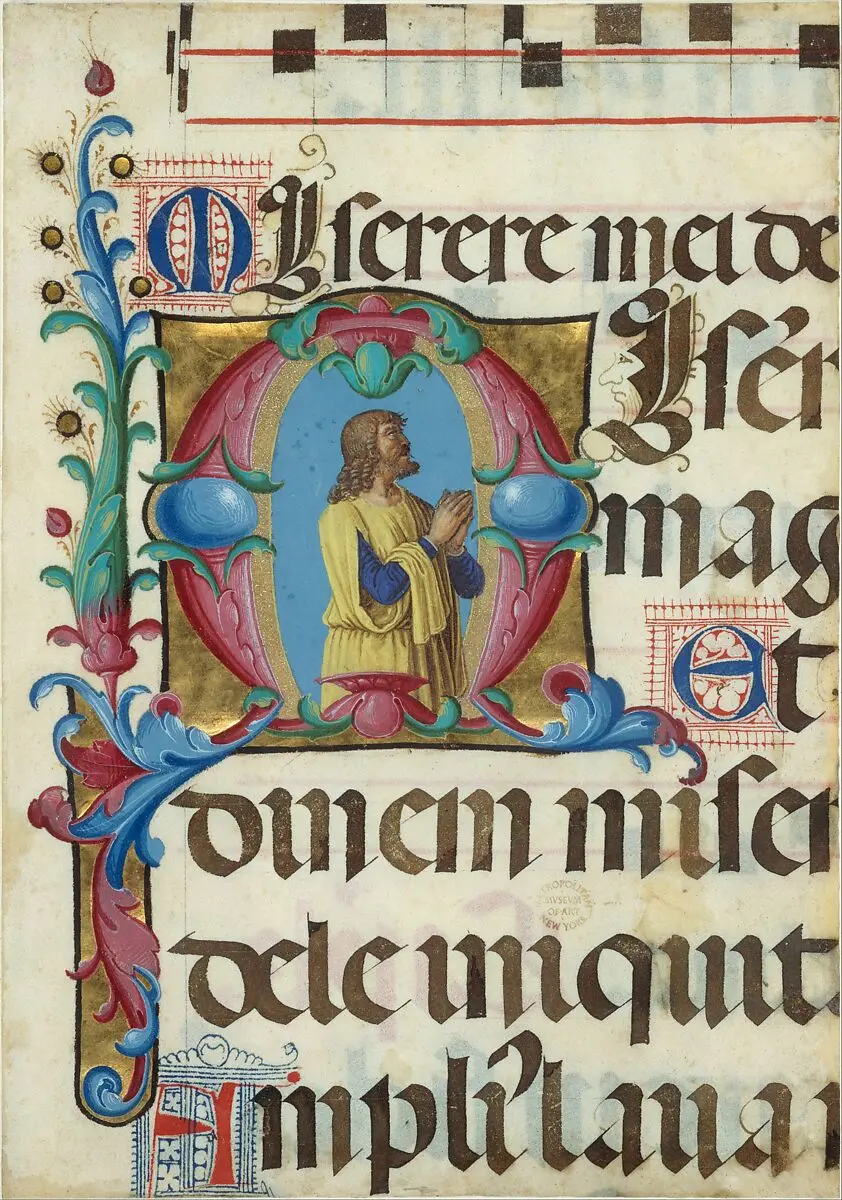
There are days when I arrive at prayer with nothing original to say. As a military chaplain, I sometimes come carrying the grief, uncertainty, and spiritual questions entrusted to me by others. At other times, my own life has exhausted the language I might have offered God. I open the Book of Common Prayer because I need words that do not depend upon my present clarity or strength.
The Prayer Book places a psalm in my mouth. It gives me Scripture I might not have chosen and joins my private concerns to the intercessions of the church. Then comes a collect, gathering needs and desires I could scarcely name into a prayer offered through Jesus Christ.
Receiving prayer in this way has shaped more than my devotional life. It has gradually changed how I understand Christian faith. I once placed greater confidence in the convictions I could explain and defend. I have come to depend more deeply upon a faith received through practices, prayers, sacraments, communities, and generations of Christians whose wisdom exceeds my own.
My Christian life has passed through several rooms of the Western church. Wesleyan preaching taught me to expect grace to transform human lives. Lutheran theology taught me to hear the promise of the gospel with greater clarity. Roman Catholic spirituality deepened my sense of sacramental presence and the church’s continuity through time. Anglican common prayer gave these longings a home, or at least a place where they could remain together without requiring every question to be settled before prayer began.
Moving among these traditions has made me grateful while also making me conscious of the wounds carried within the Christian inheritance. The same communities that preserve gifts bear the marks of conflict, failure, pride, and loss. The history of the church therefore offers no unbroken golden age to which we can simply return, yet the failures of Christians do not render the treasures they received worthless.
Cross & Collect began from that tension and from the conviction that a wounded Christian inheritance can still become a living means of grace when it is received truthfully, prayed in common, and offered for the life of the church.
The cross therefore stands at the beginning of the journal’s name. Christ’s cross places every inheritance beneath judgment and mercy. It prevents affection from becoming nostalgia and tradition from becoming self-congratulation. The cross exposes the violence, exclusions, evasions, and ambitions that Christians have sometimes hidden beneath beautiful language and sacred forms. It also declares that sin and fragmentation need not have the final word. What has been wounded may still be redeemed, though redemption will rarely resemble the recovery of an untouched past.
To collect is to gather what has been handed down with care. The word also belongs to the church’s prayer. A collect draws many petitions into a single address to God. That double meaning expresses what I hope to do here. These essays will gather prayers, works of art, forgotten observances, theological arguments, historical memories, and ordinary experiences. They will place those things beneath the cross and ask what may still serve the people of God.
Beauty will appear often in these pages. So will loss. I am drawn to old prayers, ruined monasteries, the changing light of the Christian year, and practices that once made eternity feel nearer to ordinary life. Those things can become objects of religious consumption, especially when separated from the people and obligations that gave them meaning. Their recovery matters only when they return us to worship, mercy, truthfulness, repentance, hospitality, and communion.
The scholar in me wants historical candor and careful distinctions. The pastor in me wants theology that can be prayed beside a hospital bed, carried into a troubled home, or heard by someone who possesses no specialized vocabulary. The chaplain in me knows that inherited language must sometimes hold people when their own language has failed. These voices will meet here, though perhaps never without tension.
A journal cannot become the church. Writing can describe common prayer without praying in common. It can praise the Eucharist without gathering anyone around the table. It can speak beautifully about reconciliation without accomplishing the difficult work of forgiving another person. If these essays have value, they will send us back to actual communities, imperfect parishes, shared tables, neglected neighbors, and the ordinary disciplines through which Christ forms a people.
I do not know where every inquiry in this journal will lead. I hope Cross & Collect can become a place where affection and honesty remain together, where Christian treasures are received without becoming private possessions, and where readers from across the Christian family can recognize something that belongs to them as well.
I invite you to read, pray, respond, and correct. Together we may gather words, histories, questions, and ordinary lives beneath the cross, trusting that Christ can receive what we offer and make it serve the life of his church.
Adam Roe
Editor